




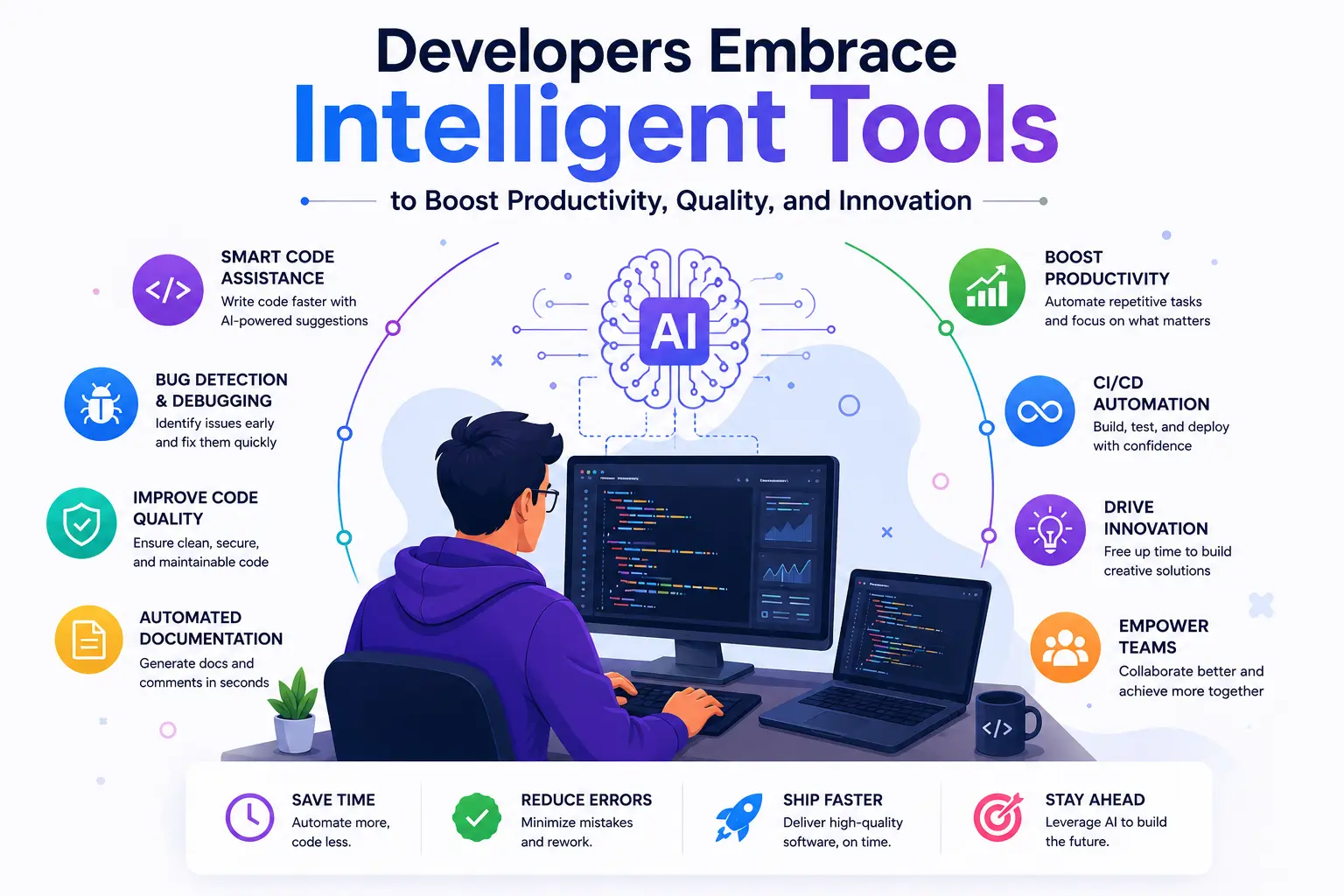
Developers Embrace Intelligent Tools to Boost Productivity, Quality, and Innovation
June 19, 2026 — Artificial Intelligence (AI) and automation technologies are rapidly transforming the software development industry, enabling engineers to write code faster, reduce errors, and focus on solving complex business challenges.
Over the past few years, AI-powered coding assistants have evolved from simple autocomplete tools into sophisticated development companions capable of generating code, reviewing software architecture, identifying security vulnerabilities, and assisting with debugging. Industry experts believe this technological shift marks one of the most significant changes in software engineering since the rise of cloud computing.
“AI is not replacing software engineers; it is enhancing their capabilities,” said a technology consultant specializing in digital transformation. “Developers can now spend less time on repetitive tasks and more time creating innovative solutions.”
Increased Productivity Across Development Teams
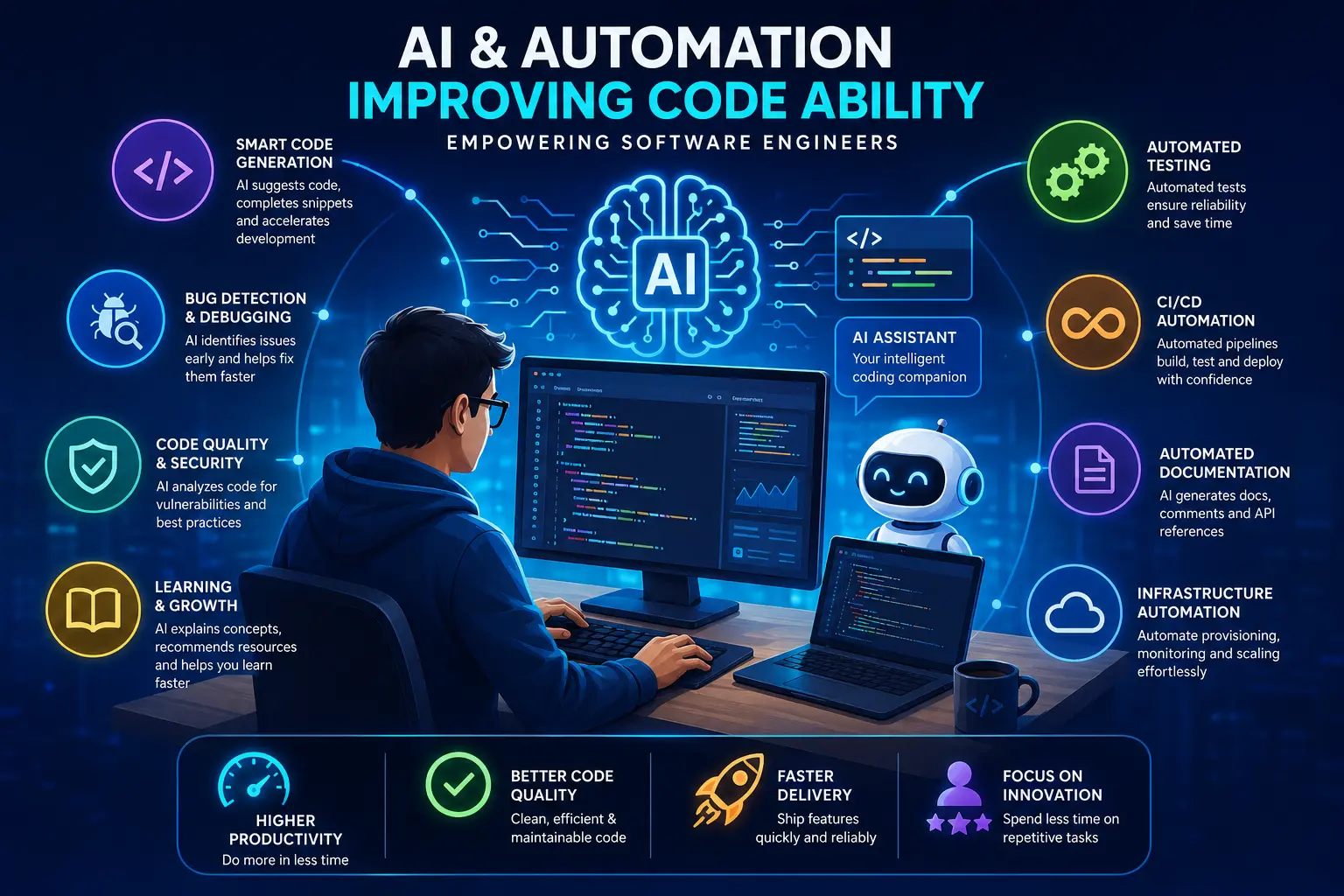
Organizations worldwide are adopting AI-driven development tools to accelerate software delivery. These platforms can suggest code snippets, automate testing procedures, and generate technical documentation, significantly reducing project timelines.
Many development teams report improved productivity as automation handles routine tasks such as code formatting, bug detection, and deployment management. Continuous Integration and Continuous Deployment (CI/CD) pipelines have become standard practice, allowing companies to release software updates more frequently and with greater reliability.
Improved Code Quality and Security
One of the most notable benefits of AI-assisted development is enhanced code quality. Intelligent systems can analyze millions of lines of code and identify potential issues before they reach production environments.
Security has also become a major focus. Automated scanning tools help detect vulnerabilities early in the development cycle, reducing risks associated with cyber threats and data breaches. This proactive approach allows organizations to maintain stronger security standards while minimizing operational costs.
A New Learning Partner for Developers
For aspiring and experienced engineers alike, AI is becoming a valuable educational resource. Developers can receive instant explanations of programming concepts, explore alternative coding approaches, and learn new technologies through interactive assistance.
Experts suggest that AI-powered learning tools are helping bridge skill gaps and enabling faster adoption of emerging technologies such as machine learning, cloud computing, and data analytics.
Challenges Remain
Despite its advantages, industry leaders caution that AI-generated code should not be accepted without human review. Concerns surrounding data privacy, software security, and overreliance on automated systems continue to be subjects of discussion among technology professionals.
“Human judgment remains essential,” noted a senior software architect. “AI can assist, but engineers must still validate, test, and maintain responsibility for the final product.”
Looking Ahead
As AI and automation technologies continue to advance, their role in software engineering is expected to grow. Analysts predict that future development environments will integrate intelligent assistants directly into every stage of the software lifecycle, from planning and coding to testing and deployment.
For software engineers, the message is clear: embracing AI and automation is no longer optional but a strategic necessity. Those who effectively combine technical expertise with intelligent tools will be best positioned to thrive in the next era of digital innovation.